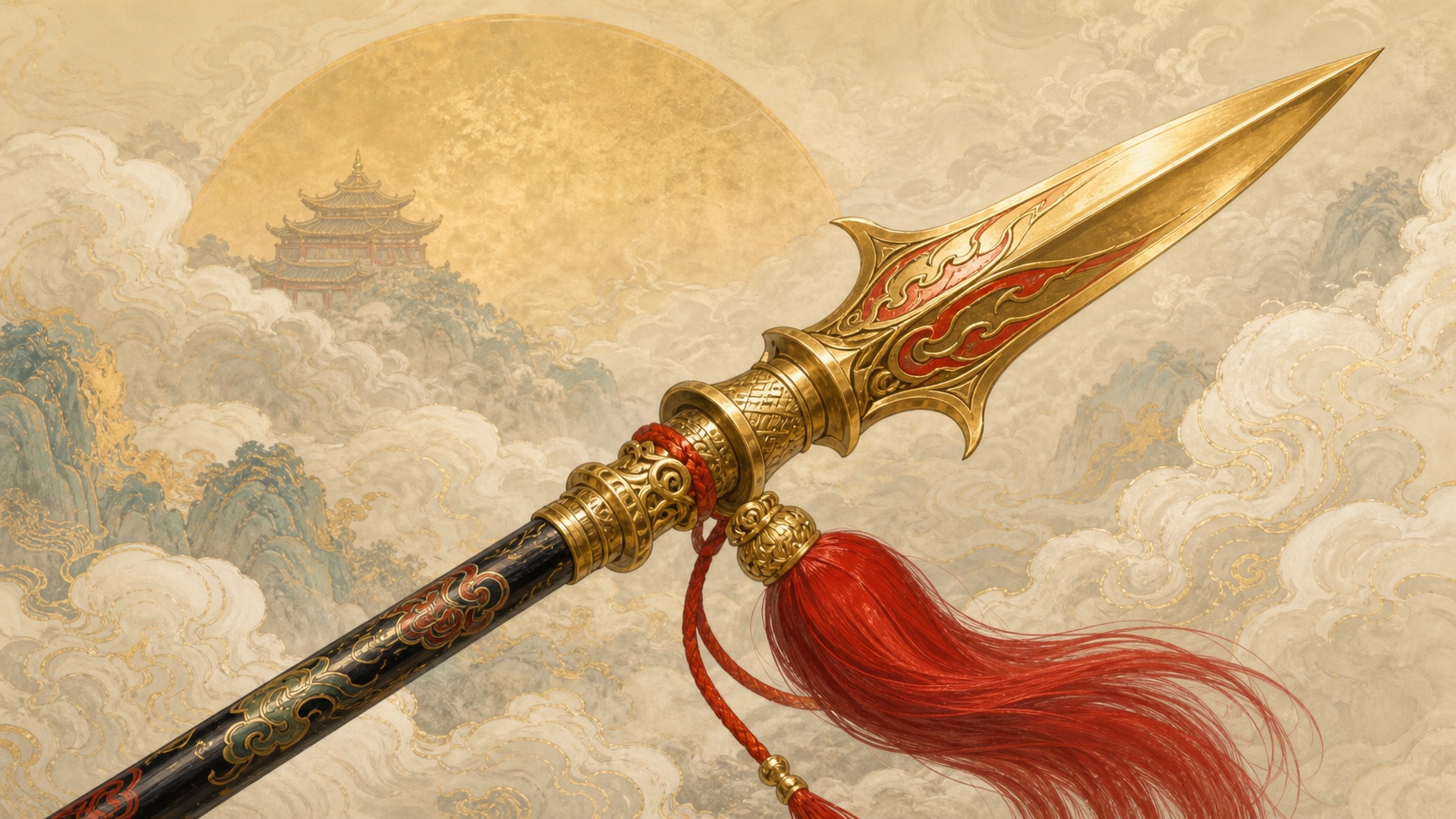
Fire-tipped Spear / 火尖枪
Learn who Nezha is, why Wind Fire Wheels and the Fire-tipped Spear matter, and how Investiture of the Gods differs from Journey to the West.
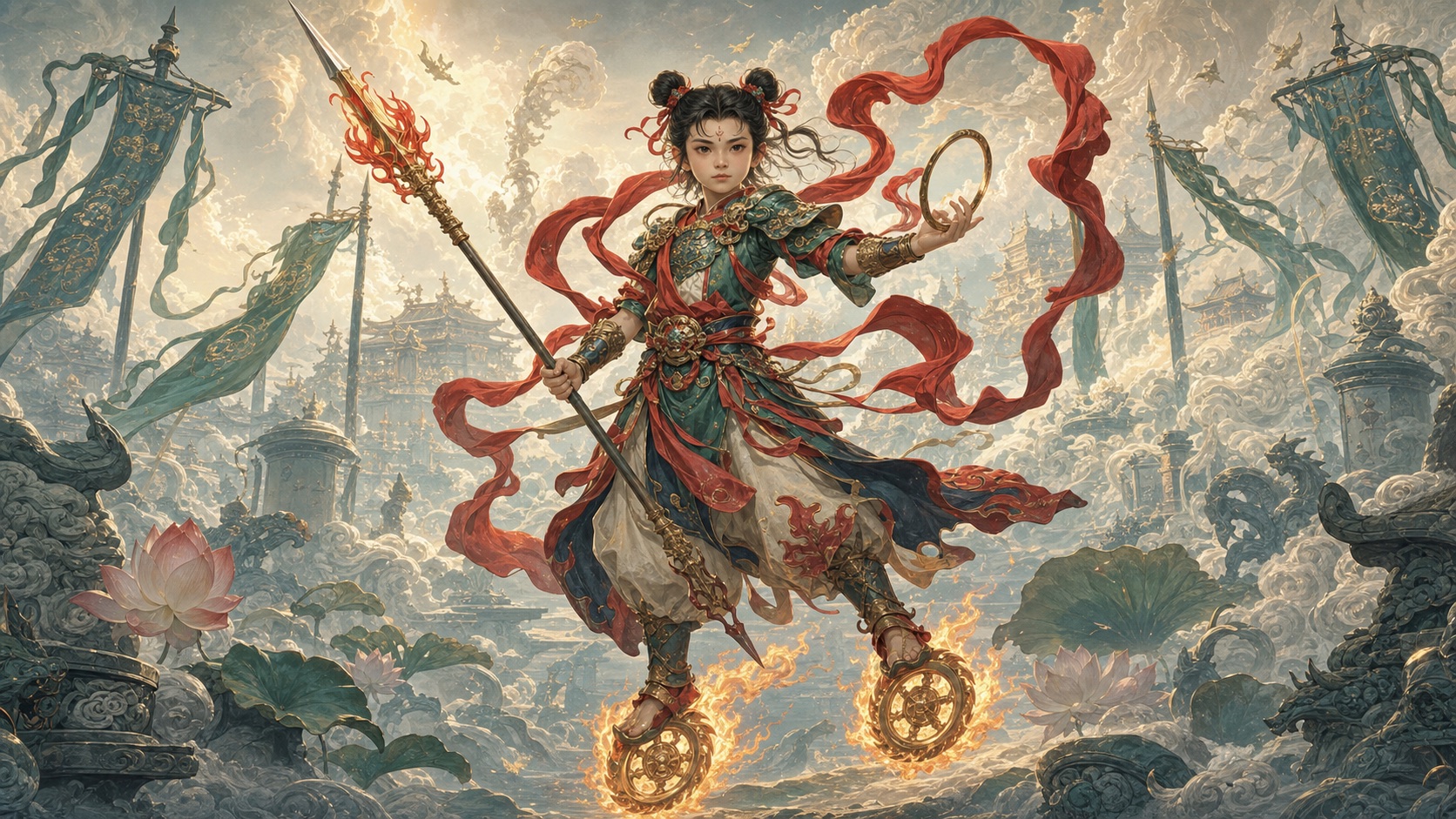
Chinese name: 哪吒 - Nezha
Aliases: Nezha Third Prince
Main source: Investiture of the Gods, with appearances in Journey to the West
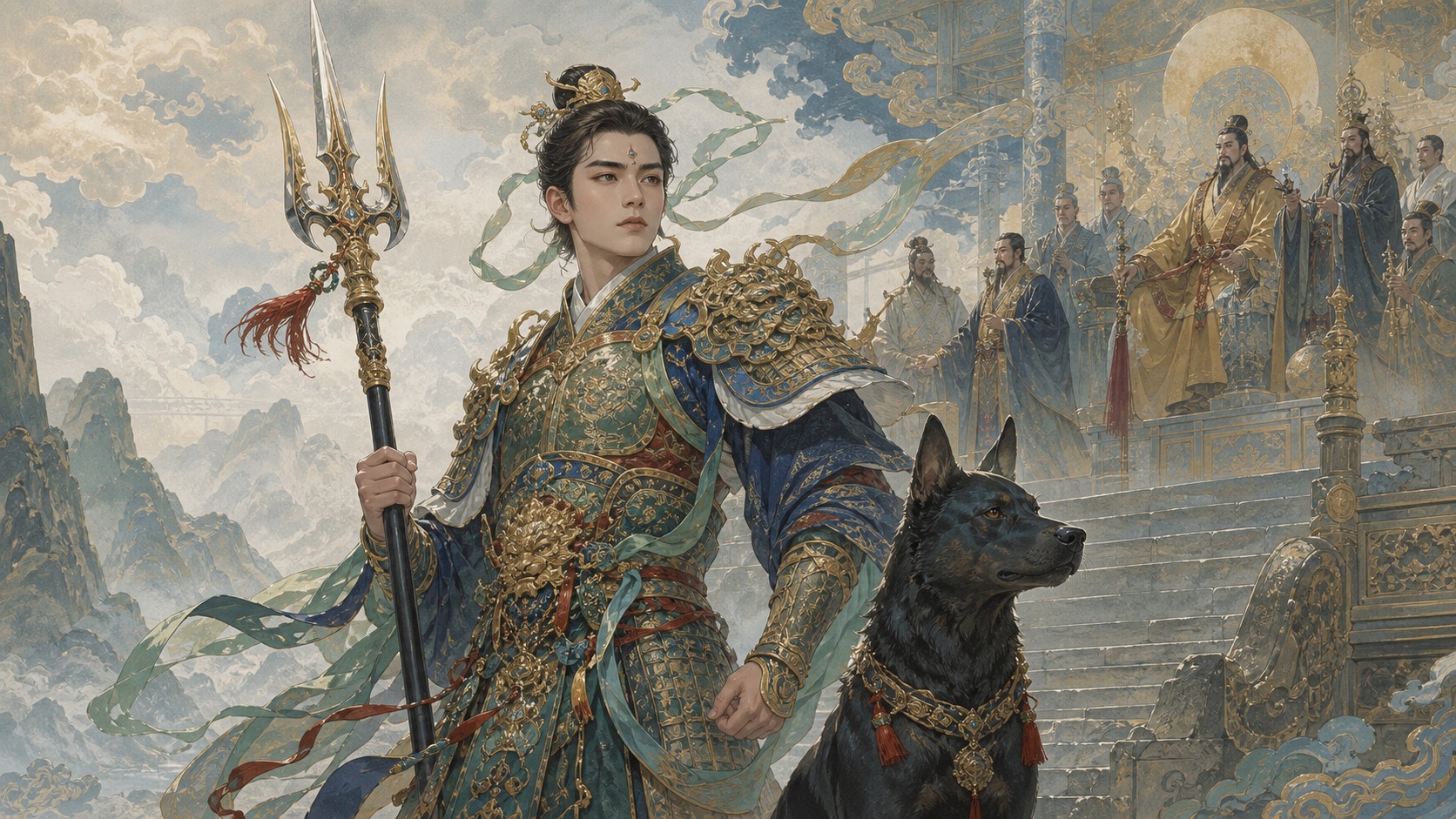
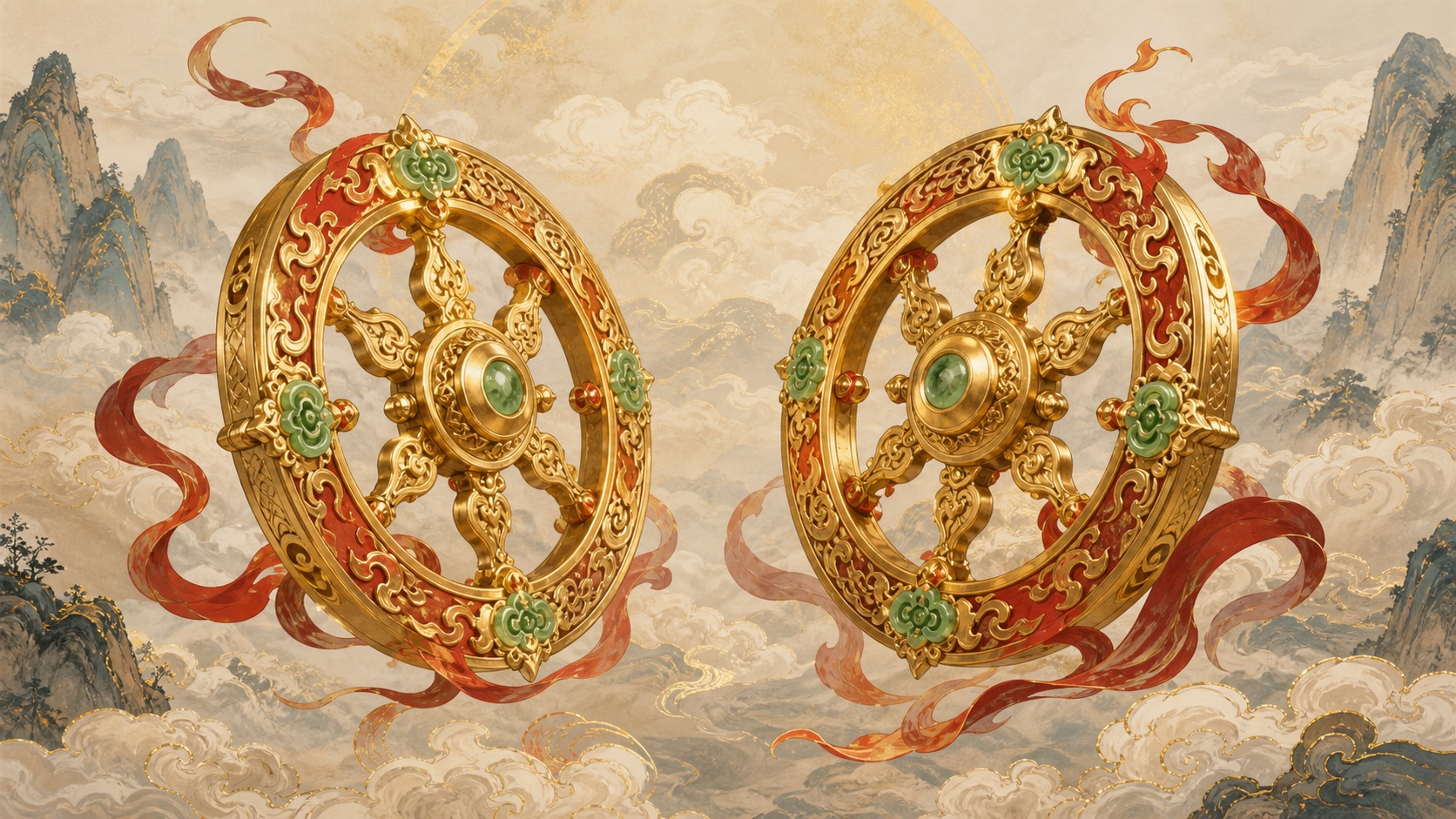
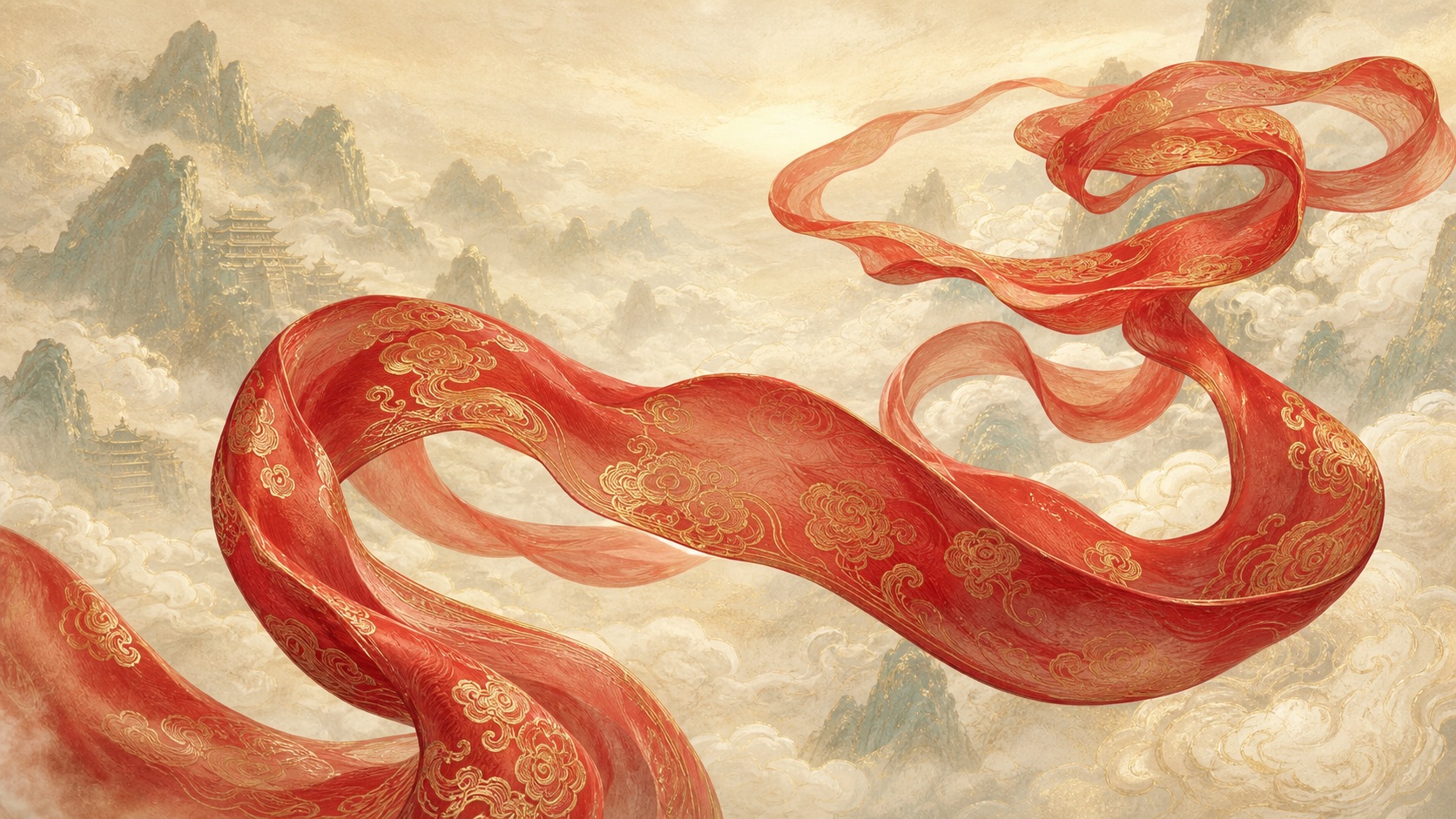
Key symbols: Fire-tipped Spear (火尖枪) - A standard weapon in the popular Investiture-based image.; Wind Fire Wheels, Red Armillary Sash, Universe Ring (风火轮、混天绫、乾坤圈) - These form the most recognizable modern Nezha artifact set.
Core IdentityA child deity and Taoist protection figure known for rebellion, sacrifice, lotus rebirth, and a set of highly recognizable magical weapons.
His story is built around a sharp conflict between personal will, family duty, and cosmic order. That conflict is why modern audiences still find him emotionally direct.
In literary and visual culture, Nezha is often identified faster by his weapons than by any single costume: Fire-tipped Spear, Wind Fire Wheels, Huntian Ling, and Qiankun Ring.
Names and titles often mark a story stage, social position, divine office, religious role, or visual tradition. For Nezha, the table separates the most common labels by meaning and context.
| Title | Meaning | Context |
|---|---|---|
| Nezha / 哪吒 | Transliterated name / 音译来源的名字 | The primary name, usually linked to older Buddhist and Sanskrit-influenced traditions. / 主要姓名,通常被认为与较早的佛教和梵语影响传统有关。 |
| Third Prince / 三太子 | Third royal prince / 第三位太子 | Refers to his status as Li Jing's son in later popular narrative. / 指他在后世通俗叙事中作为李靖之子的身份。 |
| Marshal of the Central Altar / 中坛元帅 | Commander of the Central Altar / 中坛护法元帅 | A formal religious title used in Taoist and folk worship contexts. / 常见于道教和民间信仰语境中的正式神号。 |
| Lotus Prince / 莲花太子 | Lotus-reborn prince / 莲花重生的太子 | Refers to his rebirth through a lotus body after the sacrifice episode. / 指牺牲情节后以莲花化身重生的传统。 |
These four objects are the clearest visual anchors for Nezha in novels, opera, animation, and games. They are shown separately so readers can recognize each one.
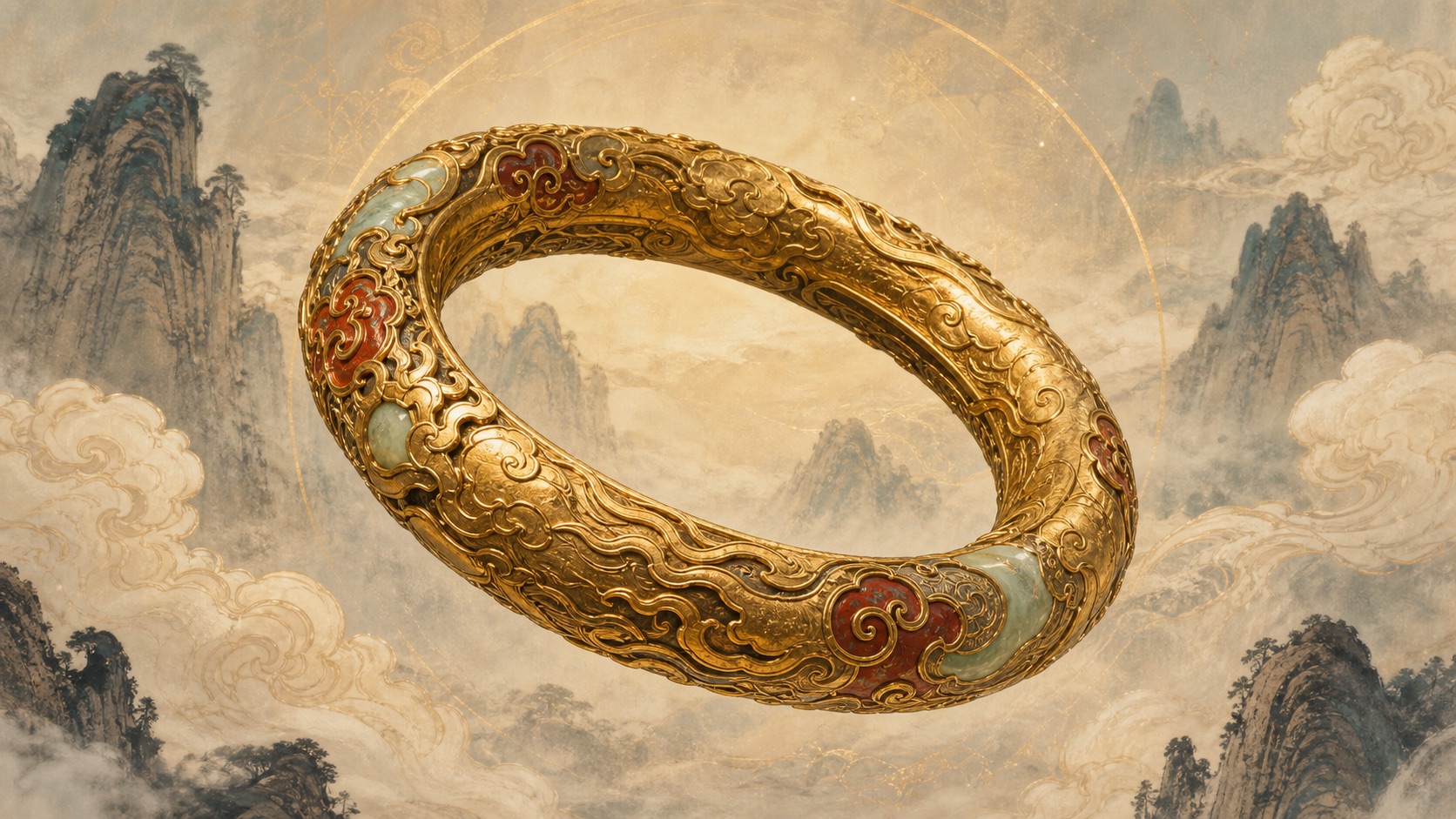
In famous Ming-dynasty narrative tradition, he is born after an unusually long pregnancy and appears as a supernatural child.
His conflict with the Dragon King's household becomes the emotional trigger for the later family crisis.
The sacrifice episode makes Nezha's story unusually tragic among popular child-deity narratives.
Taiyi Zhenren restores him through a lotus body, turning death into transformation rather than an ending.
In Investiture of the Gods, Nezha later fights alongside Jiang Ziya in the larger war narrative.
These are literary and cultural traits used to read Nezha across source stories, visual traditions, and later adaptations.
He resists dragons, divine pressure, and rules that feel unjust.
Sacrifice and rebirth give the character unusual emotional weight.
He combines youthful appearance with supernatural weapons and combat power.
The lotus body makes transformation a core theme of the character.
Nezha matters because he makes a difficult cultural question vivid: how can a child with fierce personal will live inside family duty and cosmic order?
That tension explains why Nezha keeps returning in opera, television, blockbuster animation, games, and overseas fandom. He is not only a fighter; he is a figure of conflict, pain, rebirth, and self-definition.
Fire-tipped Spear (火尖枪) - A standard weapon in the popular Investiture-based image.; Wind Fire Wheels, Red Armillary Sash, Universe Ring (风火轮、混天绫、乾坤圈) - These form the most recognizable modern Nezha artifact set.
Investiture of the Gods, Journey to the West, folk worship, animation, film, games
Version context: Journey to the West Nezha and Investiture of the Gods Nezha are not identical in every detail.
Chinese mythology figures often move between novels, opera, temple images, paintings, animation, games, and local traditions. Different media can preserve different details, names, and visual symbols.
Guides selected by shared source traditions, character groups, or visual symbols.