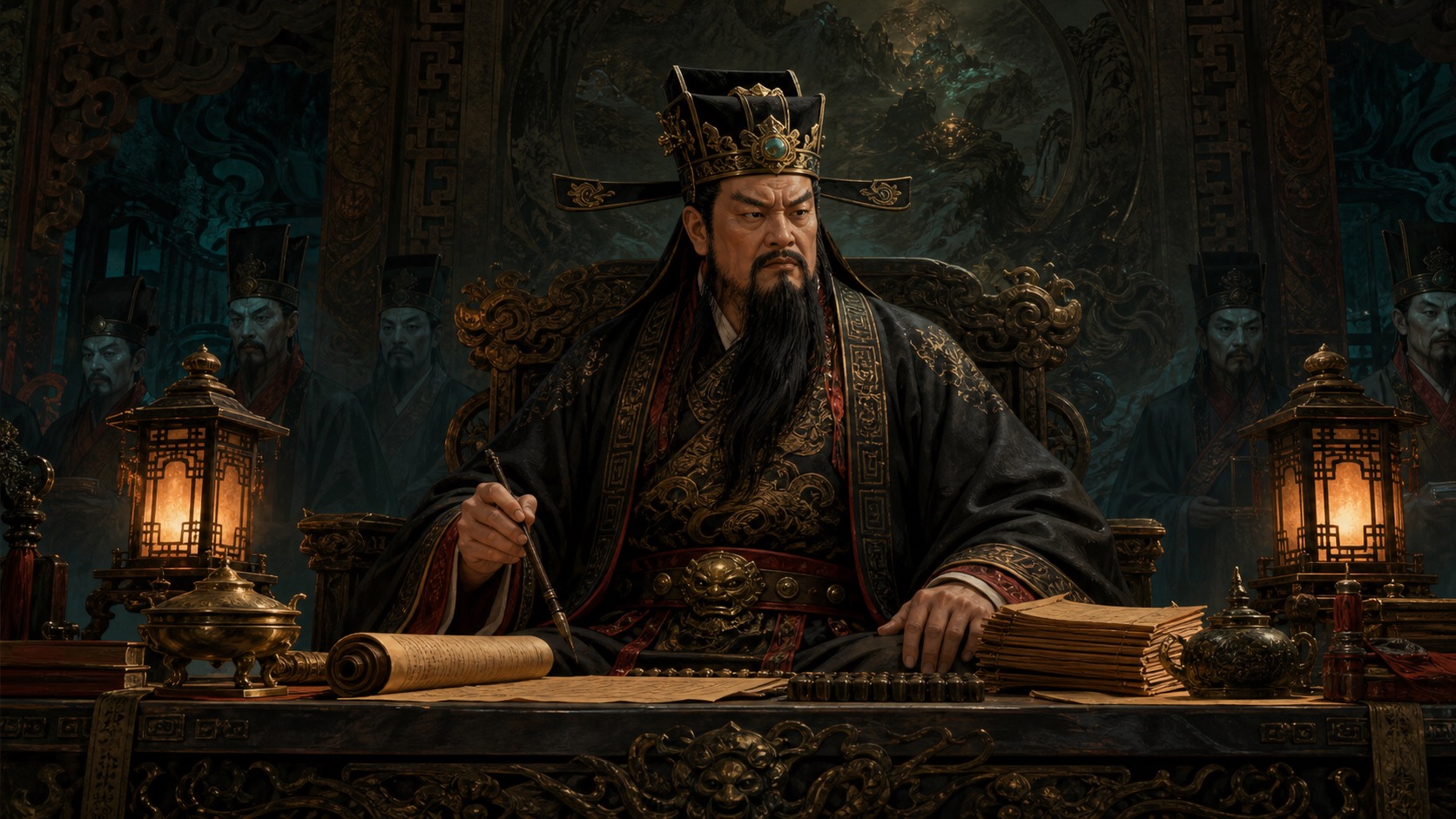
Astral origins / 星宿来源
The three figures developed from astral and religious associations in Chinese tradition.
Learn what Fu Lu Shou means in Chinese culture, how Fu Xing, Lu Xing, and Shou Xing differ, and how their common symbols appear in art and popular culture.
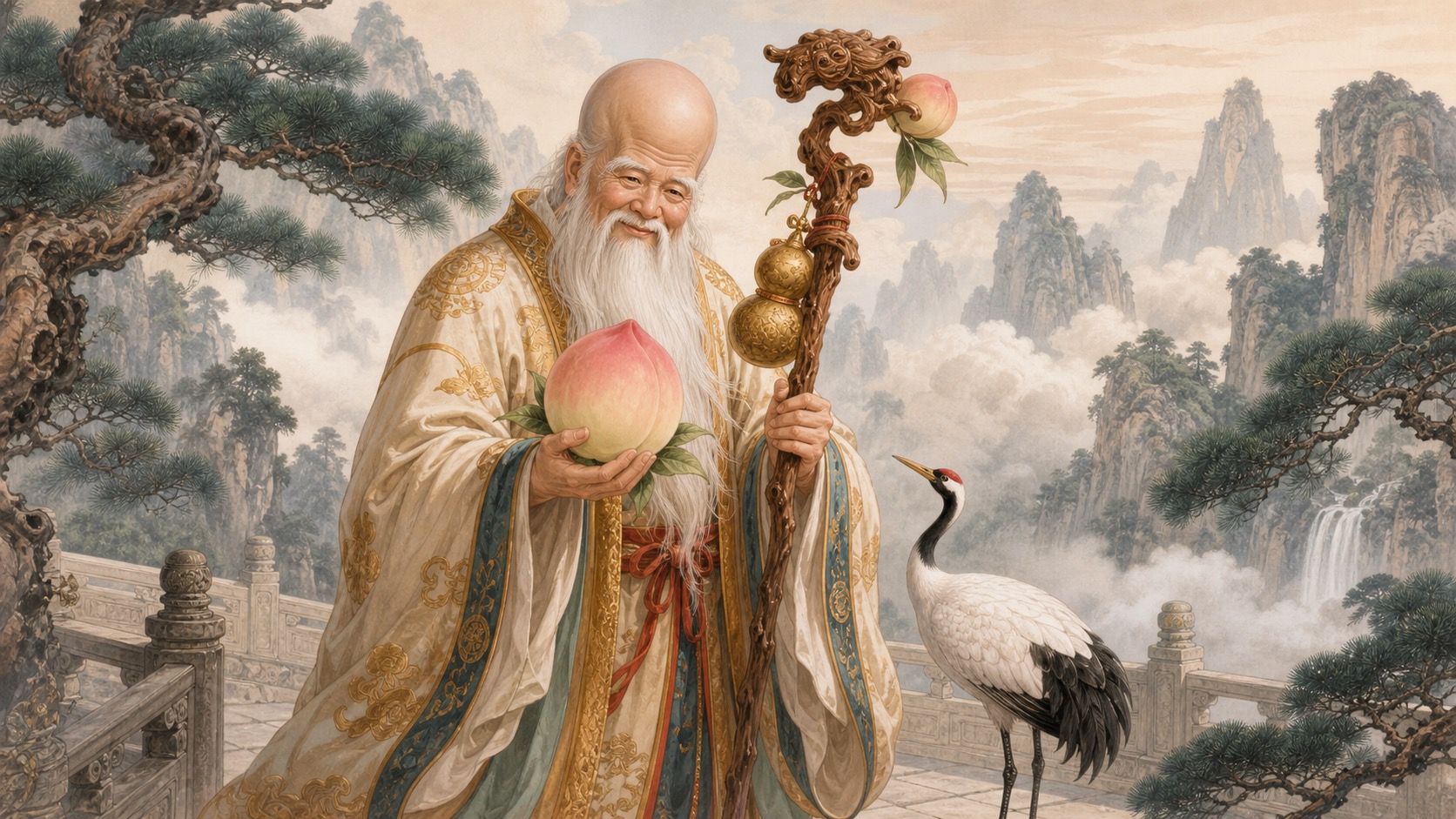
Members: Fu Xing / Star of Fortune / 福星, Lu Xing / Star of Rank / 禄星, Shou Xing / Star of Longevity / 寿星
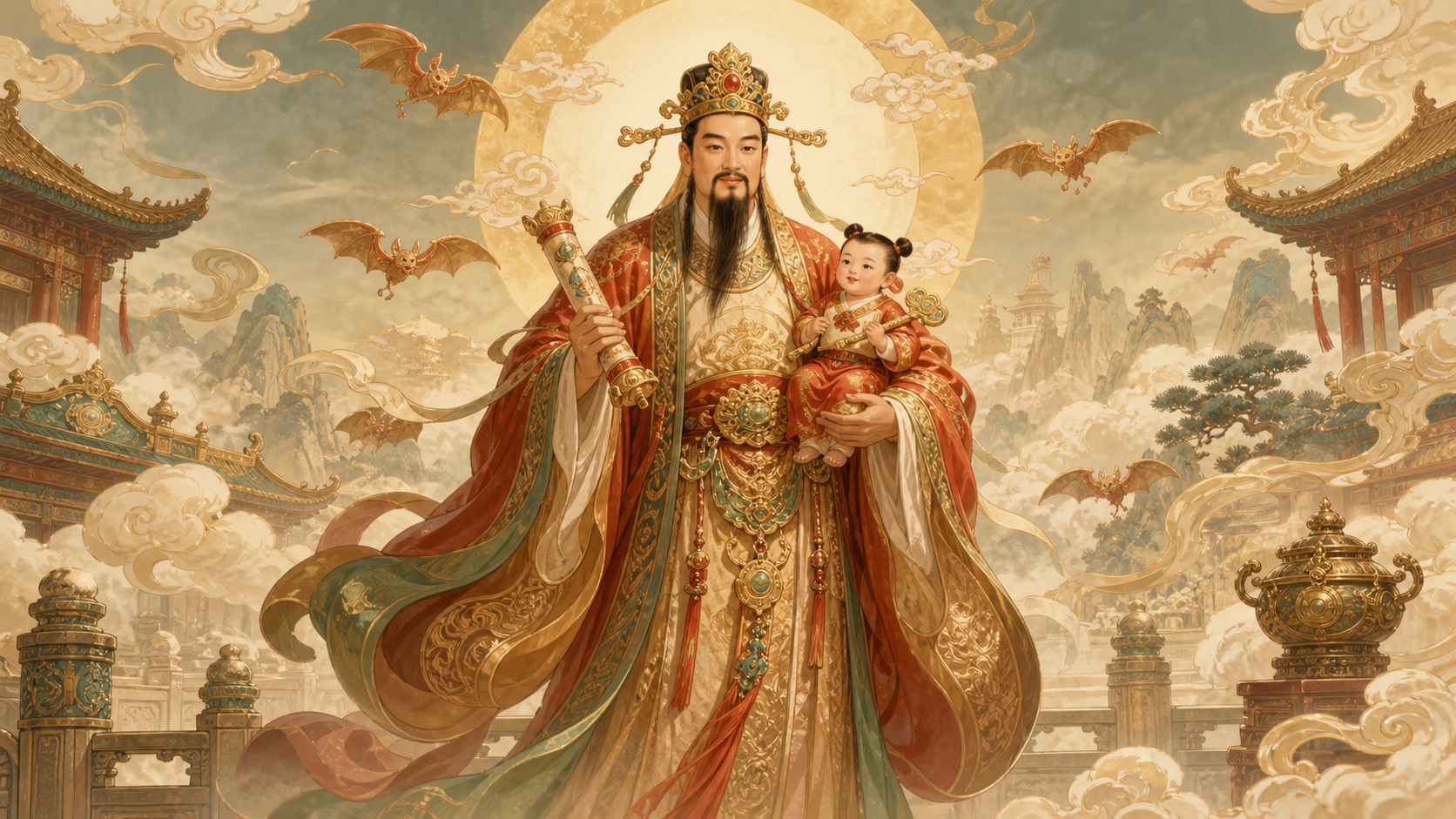
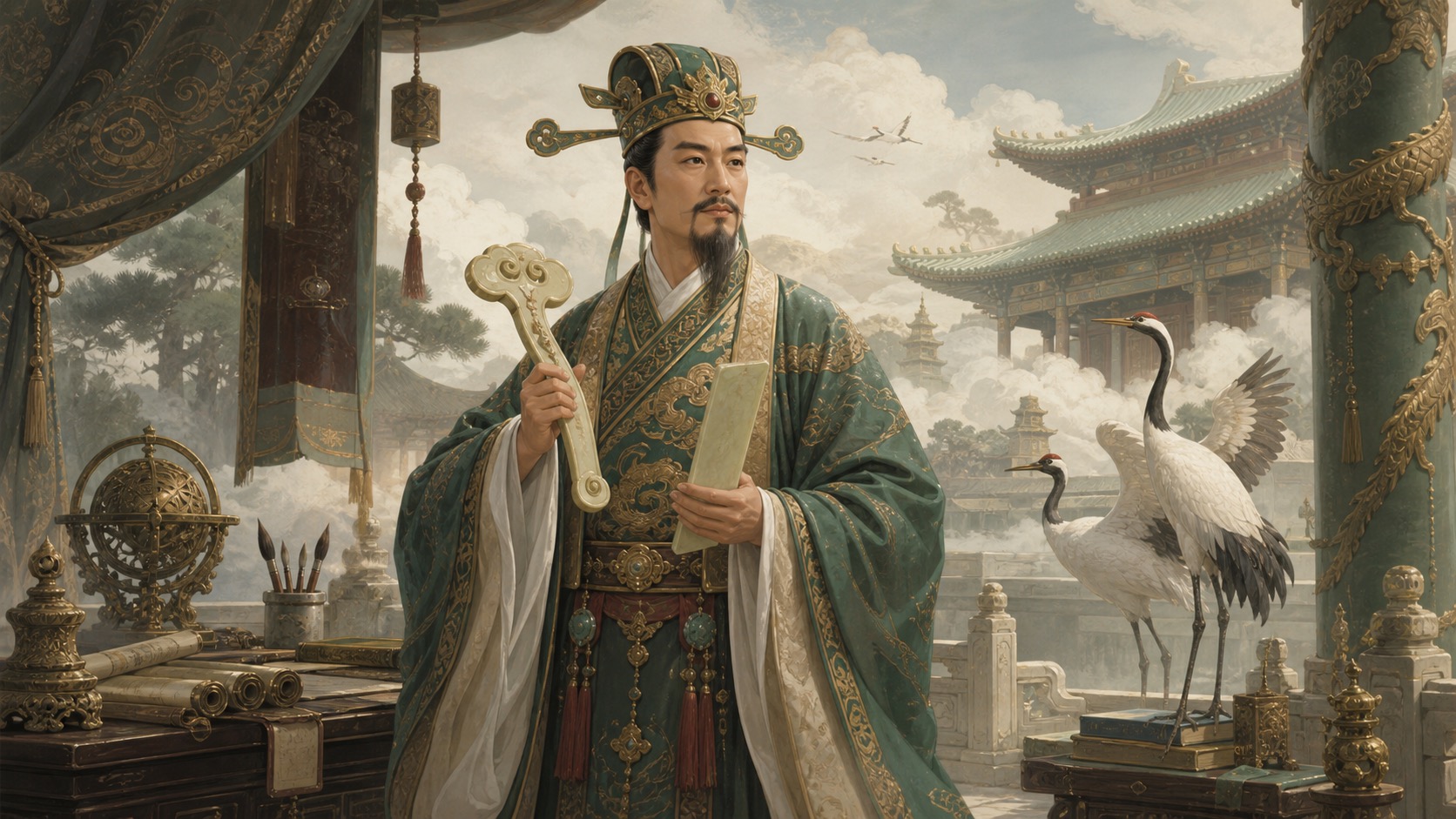
Key symbols: Blessing scroll, bats, and auspicious child imagery (福字卷轴、蝙蝠与童子意象) - These visual symbols commonly express blessing, good wishes, and festive auspiciousness in Chinese art.; Court tablet and ruyi (朝笏与如意) - These are official and auspicious attributes rather than fixed combat weapons.; Peach, staff, crane, and pine (寿桃、手杖、仙鹤与松) - These are classic longevity symbols in birthday art, decorative objects, and auspicious paintings.
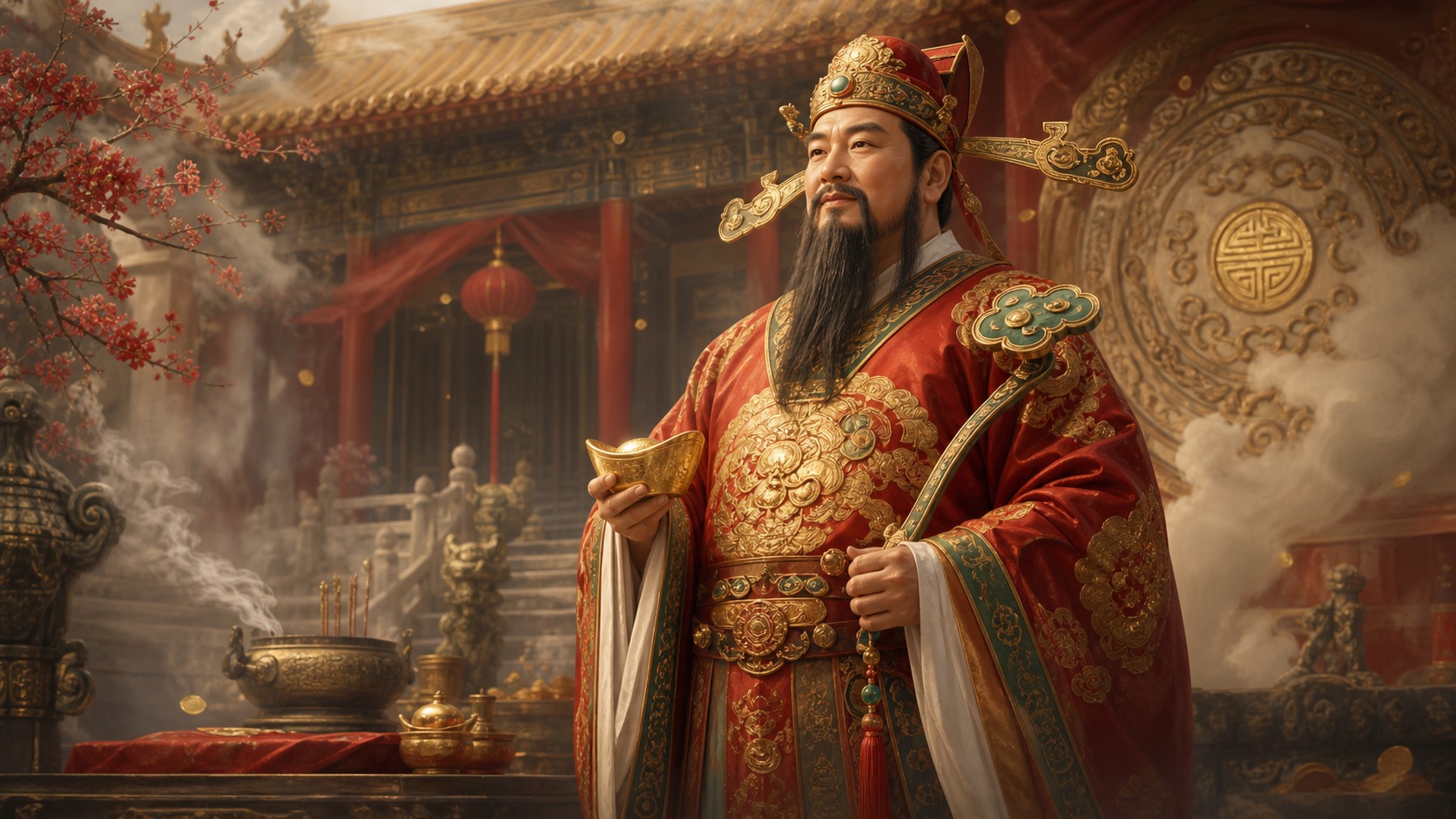
Fu Lu Shou is a three-figure auspicious grouping in Chinese folk iconography. Fu Xing relates to blessing and good fortune as a cultural wish, Lu Xing relates to rank, office, salary, and social status, and Shou Xing relates to longevity and birthday blessing imagery.
Paintings, prints, decorative objects, and popular culture usually identify the three figures through stable visual symbols and cultural settings.
Together they form a visual shorthand for the complete good life: happiness, success, and longevity.
| Star / 星神 | Domain / 主旨 | Emblem / 标志物 | Appearance / 常见形象 |
|---|---|---|---|
| Fu Xing / 福星 Fortune Star | Blessings, happiness, family / 福气、幸福、家庭祝愿 | Child, blessing scroll, bat motif / 童子、福字卷轴、蝙蝠纹样 | Kind official in warm auspicious robes / 慈祥文官形象,常配暖色吉祥服饰 |
| Lu Xing / 禄星 Rank or Prosperity Star | Rank, salary, office, exams / 官位、俸禄、仕途、考试功名 | Ruyi scepter, official tablet, deer motif / 如意、朝笏、鹿纹样 | Dignified official in green or blue robes / 庄重官员形象,常见青绿或蓝色官服 |
| Shou Xing / 寿星 Longevity Star | Long life, health, old age / 长寿、健康、祝寿 | Peach, dragon-headed staff, crane, pine / 寿桃、龙头杖、仙鹤、松树 | White beard and high forehead / 白须、高额头的寿老形象 |
Names and titles often mark a story stage, social position, divine office, religious role, or visual tradition. For Fu Lu Shou, the table separates the most common labels by meaning and context.
| Title | Meaning | Context |
|---|---|---|
| Fu Lu Shou / 福禄寿 | Fortune, rank, and longevity / 福气、禄位与长寿 | The standard name for the three-star auspicious grouping. / 三星组合最常见的总称。 |
| Fu Xing / 福星 | Star of Fortune / 福气之星 | Represents blessings, happiness, and auspicious family wishes. / 代表福气、幸福和家庭吉祥祝愿。 |
| Lu Xing / 禄星 | Star of Rank / 禄位之星 | Represents rank, official salary, social success, and examination aspirations. / 代表禄位、官俸、社会成就和功名愿望。 |
| Shou Xing / 寿星 | Star of Longevity / 长寿之星 | Represents long life, birthday blessing, and longevity symbolism. / 代表长寿、祝寿和长寿图像传统。 |
The three figures developed from astral and religious associations in Chinese tradition.
Over time, abstract stars and auspicious ideas were humanized as recognizable elder figures.
By later imperial and popular art, the three are often shown together as an inseparable auspicious set.
They appear in New Year prints, birthday gifts, porcelain, decor, and temple settings.
These are literary and cultural traits used to read Fu Lu Shou across source stories, visual traditions, and later adaptations.
Fu Xing expresses blessing, children, household joy, and auspicious arrival.
Lu Xing reflects traditional hopes for office, salary, status, and scholarly success.
Shou Xing is the clearest birthday and long-life symbol in the trio.
The trio works because it combines happiness, success, and long life into one image.
Fu Lu Shou matters because the trio condenses a broad Chinese idea of the good life into three instantly readable figures.
Unlike narrative heroes, they function as aspirational symbols. Their images appear in homes, shops, birthday scenes, New Year decoration, porcelain, and popular art because they communicate blessing without requiring a long story.
Blessing scroll, bats, and auspicious child imagery (福字卷轴、蝙蝠与童子意象) - These visual symbols commonly express blessing, good wishes, and festive auspiciousness in Chinese art.
Court tablet and ruyi (朝笏与如意) - These are official and auspicious attributes rather than fixed combat weapons.
Peach, staff, crane, and pine (寿桃、手杖、仙鹤与松) - These are classic longevity symbols in birthday art, decorative objects, and auspicious paintings.
Sanxing folk iconography, New Year prints, decorative arts and popular culture
Version context: Fu Xing is an auspicious cultural image with multiple folk-art variations.
Sanxing folk iconography, prints, ceramics, temple images, and popular art
Version context: Lu Xing represents the cultural symbolism of rank and official status in traditional imagery.
Sanxing folk iconography, birthday paintings, decorative arts and popular culture
Version context: Shou Xing appears in many regional and artistic variations of longevity imagery.
Chinese mythology figures often move between novels, opera, temple images, paintings, animation, games, and local traditions. Different media can preserve different details, names, and visual symbols.
Guides selected by shared source traditions, character groups, or visual symbols.