Chinese Underworld in Mythology and Folk Culture
A layered underworld court associated with Yanluo Wang, judgment registers, ghost officials, and moral storytelling.
What this place means
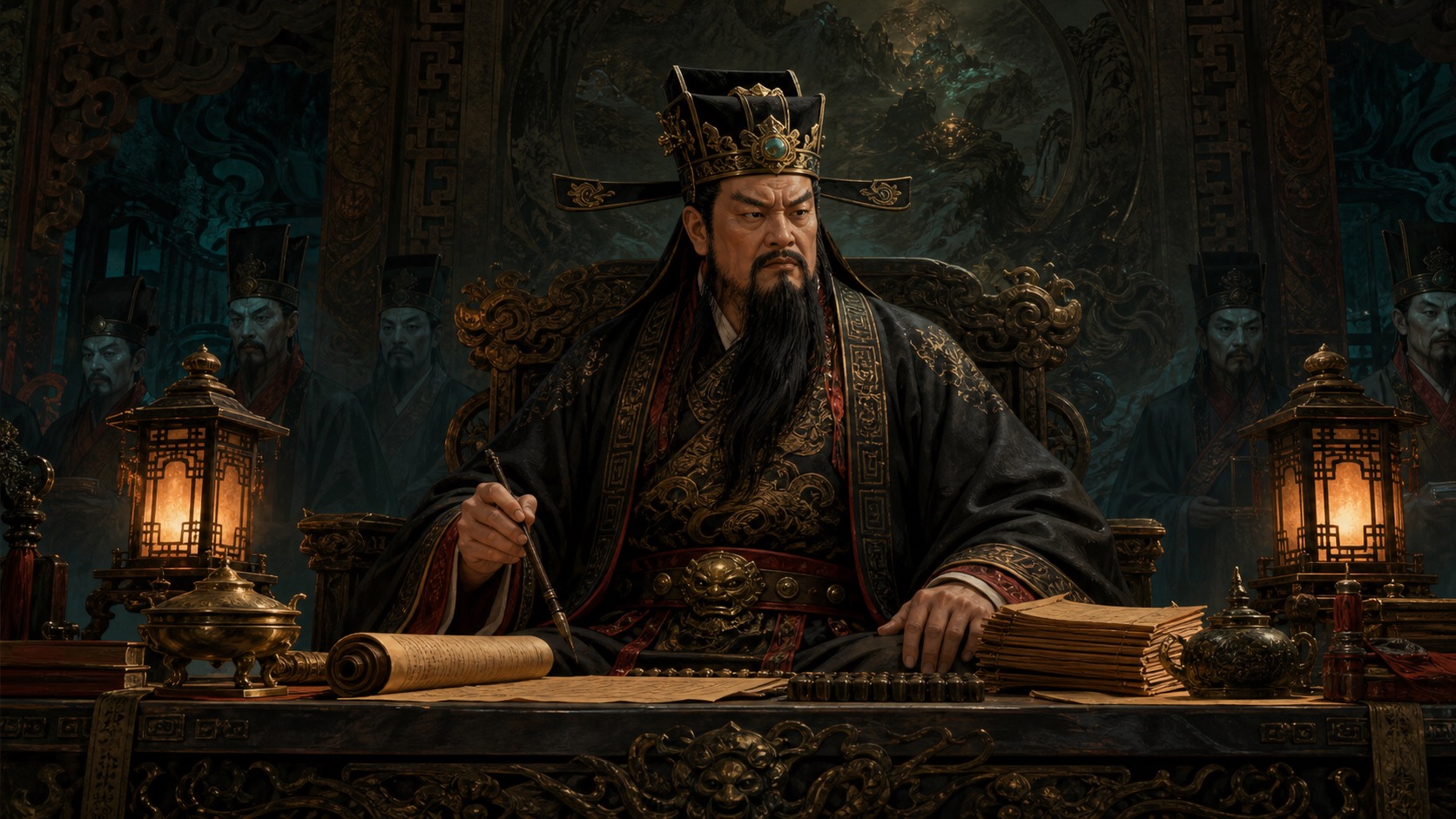
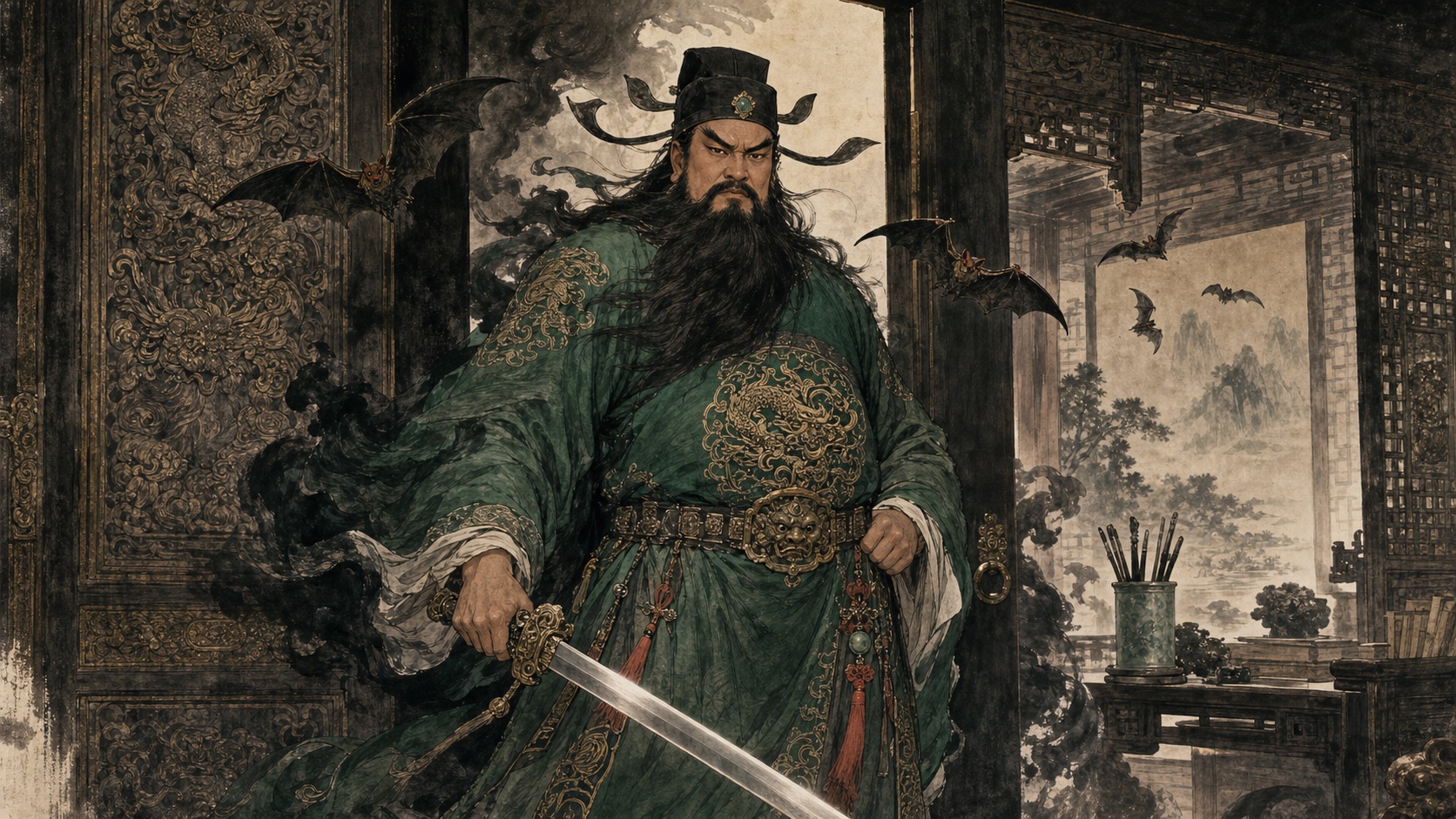
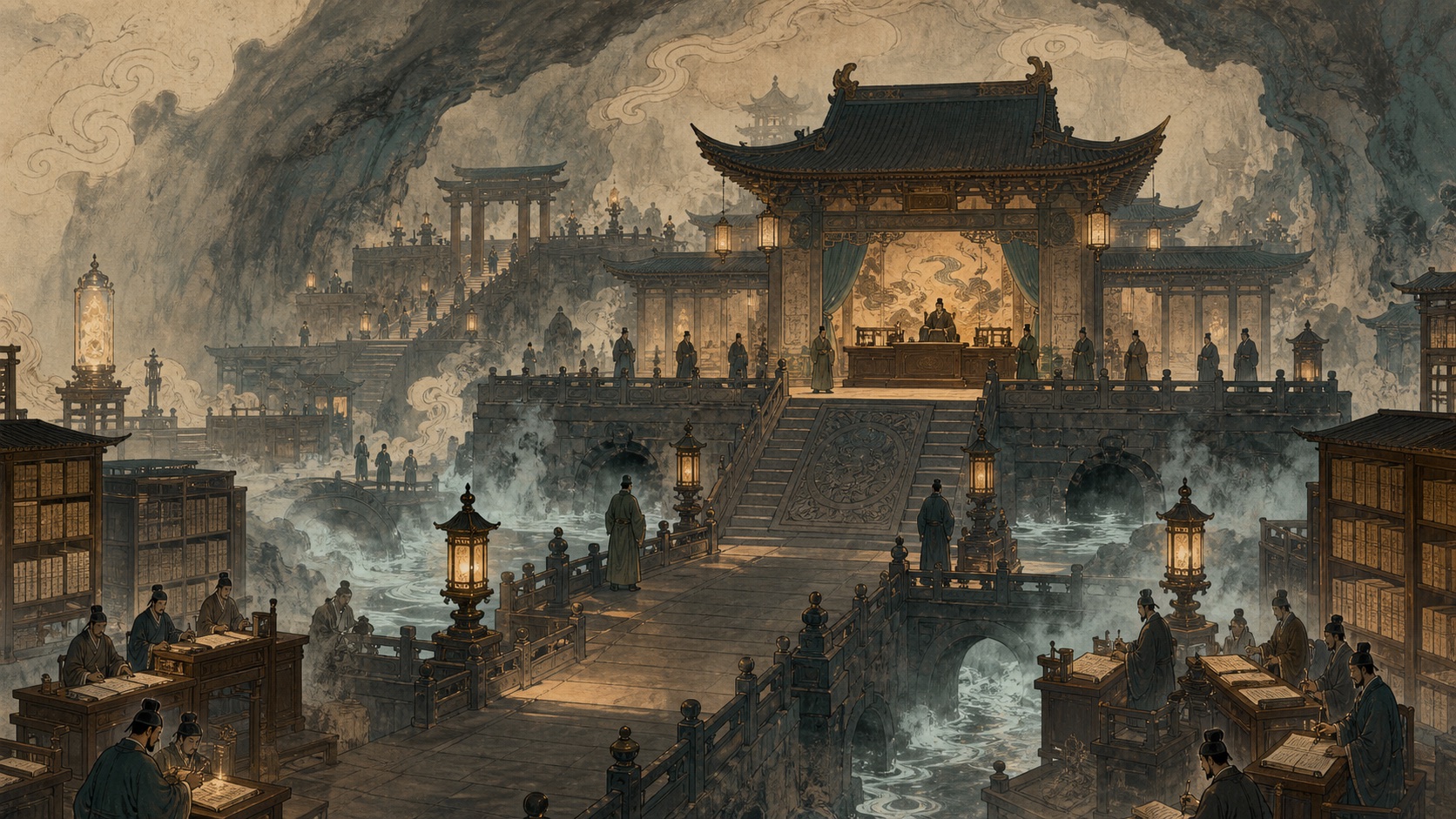
The Chinese Underworld is not only a frightening place. In many stories it functions like a moral court, with registers, clerks, judges, messengers, and procedures for reviewing life and death.
Its value in stories is moral structure. The underworld makes invisible records visible: lifespan, deeds, debts, mistakes, and later corrections. That is why books, ledgers, seals, and court desks often appear in underworld imagery.
Key facts
- Main figure
- Yanluo Wang / King Yama
- Key object
- Registers of life and death
- Narrative function
- Judgment, record keeping, moral consequence
Historical formation and source context
The idea combines older Chinese views of spirits and ancestors with Buddhist ideas of posthumous judgment and Daoist bureaucratic imagery. Over time, theater, temple images, printed stories, and vernacular fiction made the underworld court highly recognizable.
Appears in: Folk religion, Buddhist and Daoist-influenced stories, opera, literature
Image gallery