Chinese Moon Palace: Guanghan Gong
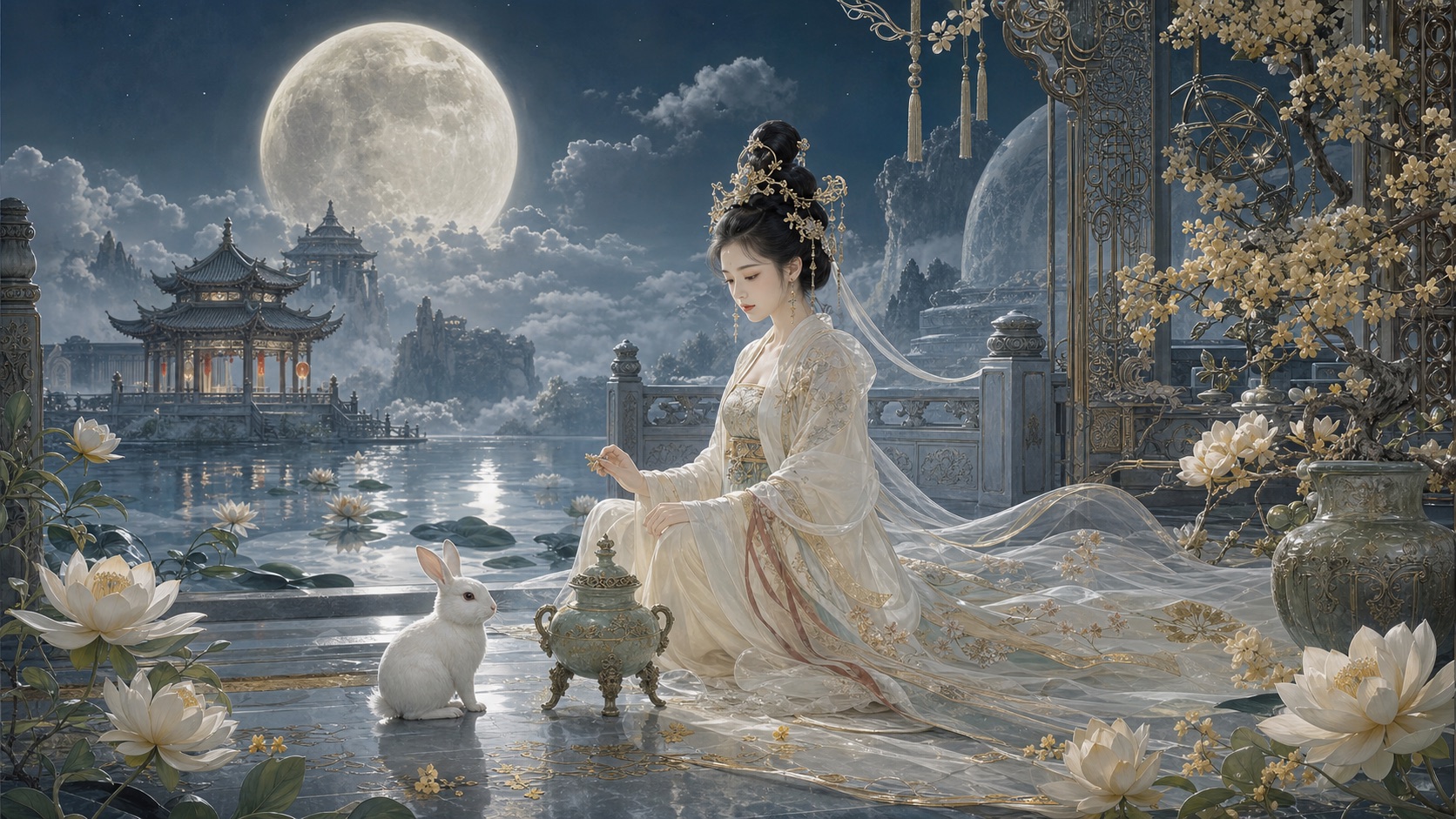
The moon palace associated with Chang'e, the Jade Rabbit, lunar imagery, and Mid-Autumn cultural memory.
What this place means
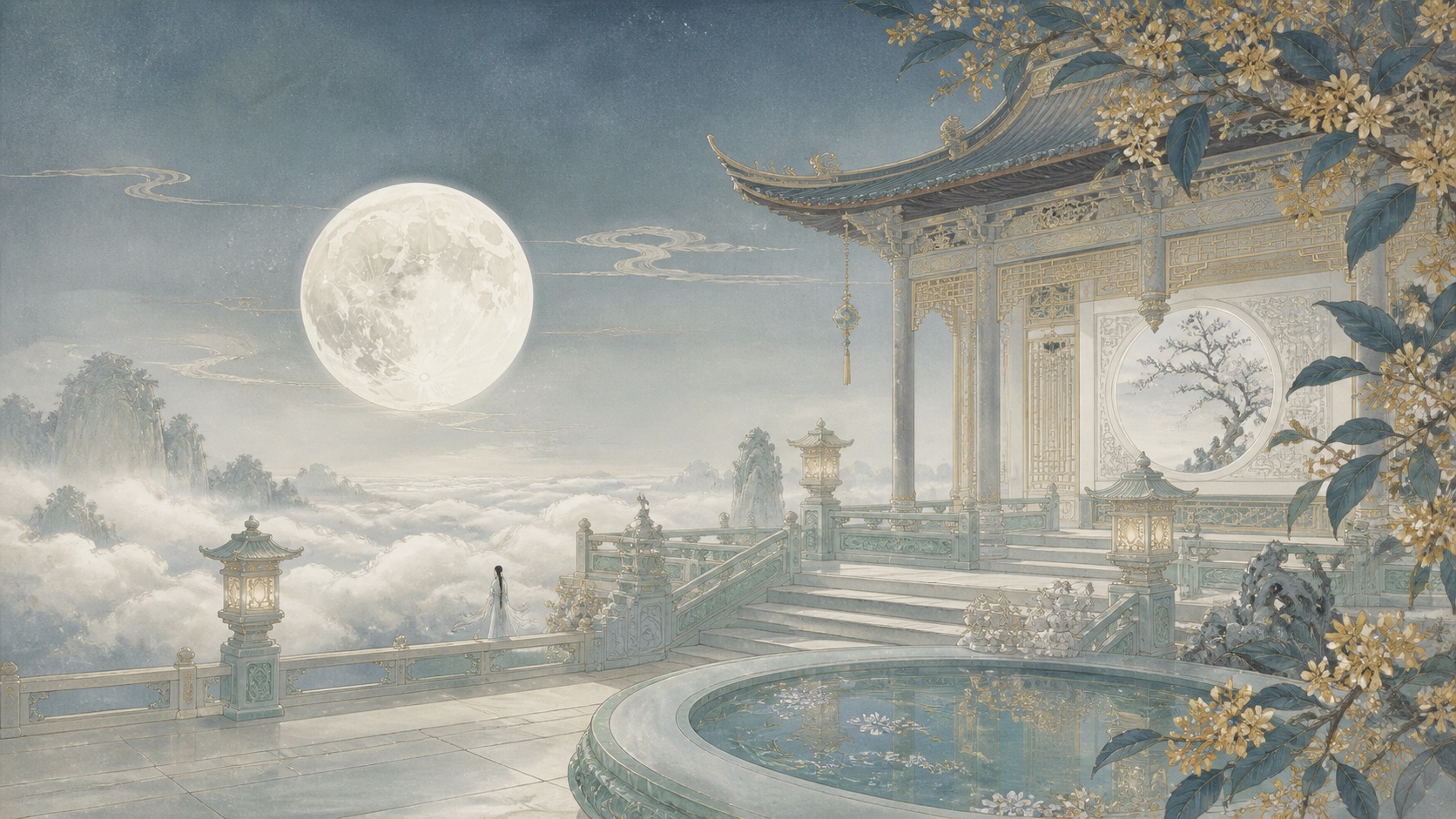
Guanghan Gong gives Chinese moon stories a place. It connects Chang'e, the Jade Rabbit, osmanthus imagery, immortality medicine, poetry, paintings, and Mid-Autumn memory.
The Moon Palace is important because it makes the moon personal and cultural. It turns a celestial body into a place of memory, longing, reunion, distance, and poetic imagination.
Key facts
- Main figure
- Chang'e
- Common symbols
- Moon, osmanthus, Jade Rabbit, immortality medicine
- Festival link
- Mid-Autumn Festival
Historical formation and source context
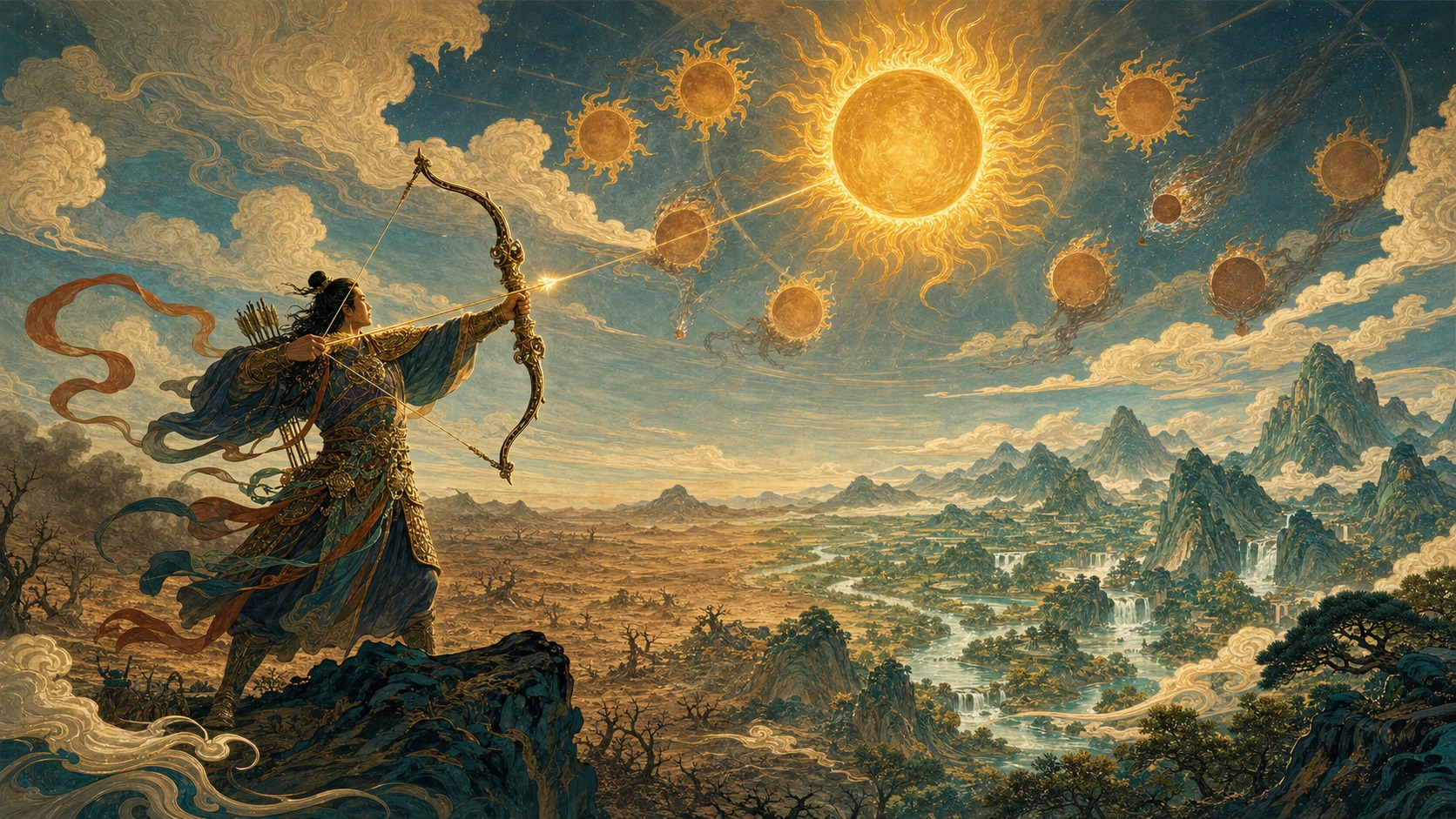
Moon-palace imagery developed through ancient moon myths, Chang'e stories, poetry, festival customs, and visual art. Different versions emphasize different parts: Hou Yi, immortality medicine, Chang'e's ascent, Jade Rabbit, or the lonely moon palace.
Appears in: Chang'e myths, Mid-Autumn Festival culture, art and poetry
Image gallery